
What Is Knee Replacement Surgery?
Knee replacement surgery, also called knee arthroplasty, is a procedure to replace a damaged knee joint. Doctors remove worn-out or injured parts of the knee and put in artificial parts. These new parts are often made of metal and plastic. Usually, this surgery helps people who have severe knee pain or trouble moving. For many, it can bring back comfort and movement. According to the World Health Organization, knee arthroplasty is safe and effective for many patients.
Common Reasons for Knee Replacement
Many people need knee replacement surgery because of ongoing knee pain. Often, this pain is due to arthritis. However, there are other reasons as well. Some common causes include:
For many, these problems make daily tasks hard. As a result, knee arthroplasty becomes a helpful option.
Symptoms That May Lead to Surgery
Some symptoms may signal the need for knee replacement surgery. For example, you might notice:
If these symptoms do not improve with medicine or therapy, surgery may be the next step. Always talk to your doctor about your options.
How Knee Replacement Surgery Is Performed
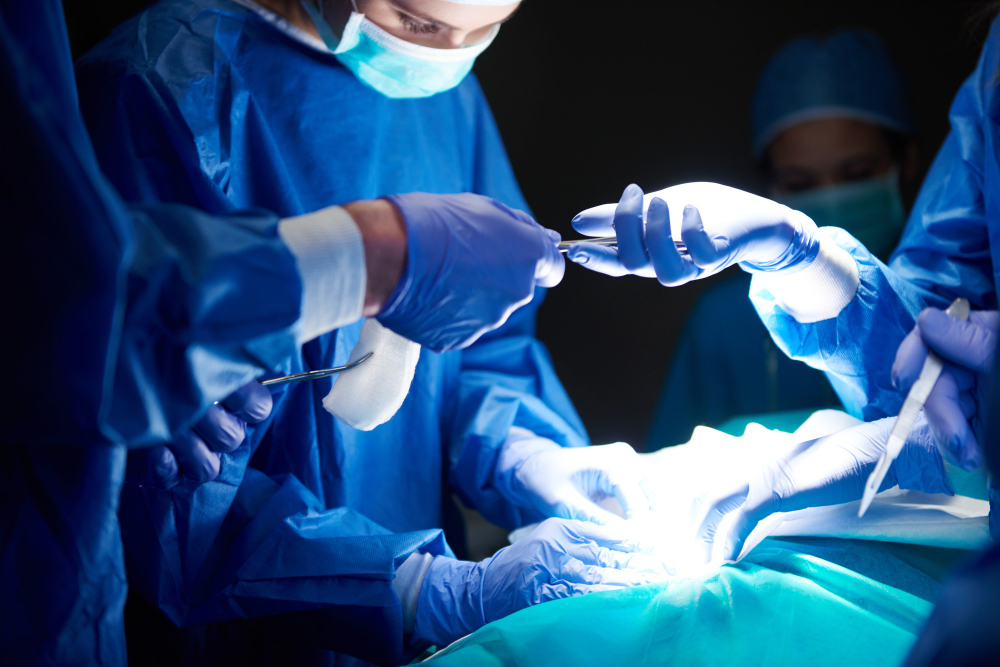
Knee arthroplasty is usually done in a hospital. First, doctors give you anesthesia so you do not feel pain. Next, they make a cut over your knee. Then, they remove the damaged parts of the joint. After that, they place the artificial knee parts. Finally, they close the cut with stitches or staples. The surgery often takes one to two hours. Most people stay in the hospital for a few days. In some cases, you may go home the same day.
Benefits and Risks of Knee Arthroplasty
Knee replacement surgery offers many benefits. For instance, it can:
However, there are also risks. Some possible risks include:
Most people have good results, but it is important to know the risks. Your doctor will discuss these with you before surgery.
Recovery Timeline and Tips
Recovery after knee replacement surgery takes time. Usually, you will start moving your knee soon after surgery. Physical therapy helps you regain strength and movement. Here is a general timeline:
To help your recovery:
With patience and care, most people return to normal life after knee arthroplasty.
Lifestyle Changes After Surgery
After knee replacement, you may need to change some habits. For example, you should avoid high-impact sports like running or jumping. Instead, choose low-impact activities such as walking, swimming, or cycling. These are gentle on your new knee. In addition, keeping a healthy weight helps protect your joint. Regular exercise and stretching can keep your knee strong and flexible. Always listen to your body and rest when needed.
Prevention and Long-Term Care
While knee replacement can help, it is best to care for your joints early. To prevent knee problems:
After surgery, regular follow-ups are important. Your doctor will check your knee and make sure it is healing well. With good care, your new knee can last many years.
Conclusion
Knee replacement surgery (knee arthroplasty) can relieve pain and improve your life. However, it is a big decision. Consult an orthopedic specialist at Priya Ram Clinic to discuss if knee replacement surgery is right for you.