Introduction
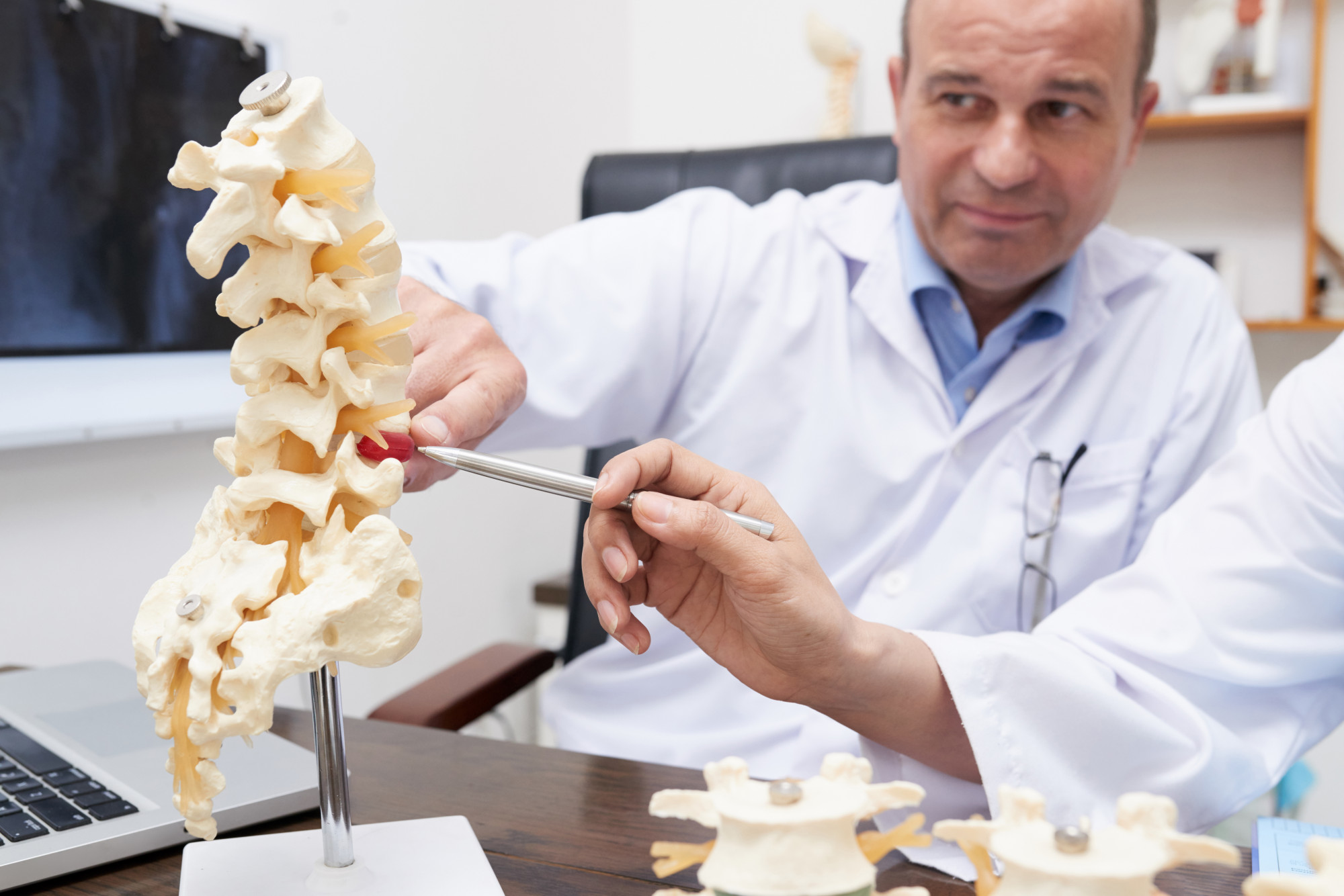
Pain when sitting or bending can make daily life hard. Often, this pain links to a slipped disc, also called a herniated disc. When a disc in your spine moves out of place, it can press on nerves. As a result, you may feel sharp or dull pain, especially during certain movements. For many, this pain starts in the lower back. It can also spread to the legs. Understanding the link between pain when sitting or bending and a slipped disc helps you seek the right care.
Symptoms of a Slipped Disc
Not everyone with a slipped disc has the same symptoms. However, pain when sitting or bending is very common. Other signs may include:
Sometimes, the pain may come and go. Yet, for many, it gets worse with certain activities. For example, sitting for long periods or bending forward can trigger pain. If you notice these herniated disc symptoms, it is important to pay attention.
Causes of a Slipped Disc
Slipped discs often develop from wear and tear. Over time, the discs in your spine lose water and become less flexible. As a result, they are more likely to slip or rupture. Other causes and risk factors include:
Additionally, jobs that require a lot of lifting or sitting can increase your risk. Even poor posture can play a role. According to the World Health Organization (WHO), back pain is a leading cause of disability worldwide.
Diagnosis: How Doctors Find a Slipped Disc
If you have pain when sitting or bending, an orthopedic specialist can help. First, your doctor will ask about your symptoms and medical history. Next, they will perform a physical exam. During this exam, you may be asked to move in certain ways. This helps the doctor see which movements cause pain. In many cases, imaging tests are needed. These may include:
With these tools, doctors can confirm if you have a slipped disc. They can also check for nerve pressure or other lower back pain causes.
Treatment Options for a Slipped Disc
Many people recover from a slipped disc without surgery. Non-surgical treatments focus on pain relief and healing. Common options include:
In some cases, doctors may suggest steroid injections to reduce swelling. However, if pain does not improve or if you have severe nerve symptoms, surgery may be needed. Orthopedic treatment for slipped disc surgery aims to remove or repair the damaged disc. Recovery times vary, but most people feel better after treatment.
Lifestyle Guidance: Managing Pain and Preventing Injury
Living with a slipped disc can be challenging. Yet, there are steps you can take to manage pain and protect your back. For example:
Additionally, always bend your knees when lifting objects. This helps avoid extra strain on your back. If you are unsure which activities are safe, ask your healthcare provider.
Prevention: How to Lower Your Risk of a Slipped Disc
While not all slipped discs can be prevented, you can lower your risk. Try these tips:
Moreover, staying active and making small changes can protect your spine. According to the CDC, regular movement is key for back health.
Conclusion
If you experience persistent pain when sitting or bending, consult Dr. Vijay Sugathan at Priya Ram Clinic. Our expert orthopedic team provides personalised evaluation and treatment to help you recover effectively. Book your consultation today for expert care.