
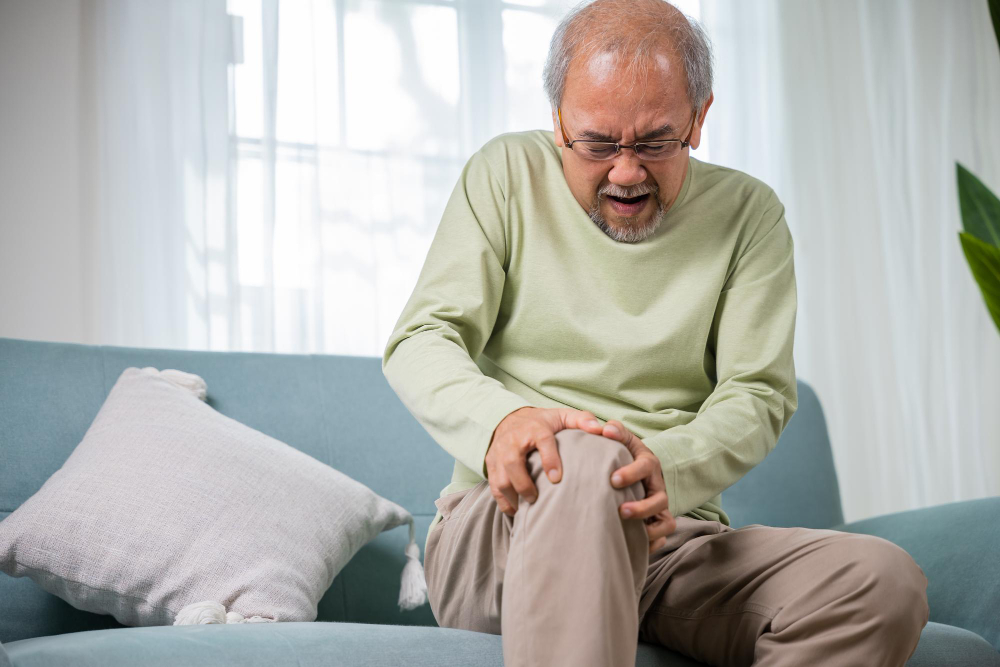
What is Knee Osteoarthritis?
Knee osteoarthritis, also called arthritis in the knee, is a common joint problem. It happens when the cartilage in the knee wears down over time. Cartilage is a smooth tissue that helps your knee move easily. When it gets thin or damaged, bones can rub together. This causes pain, swelling, and stiffness. Many people search for knee arthritis symptoms, osteoarthritis causes, and treatment for knee osteoarthritis because it affects daily life. Although it is more common in older adults, anyone can get it.
Common Symptoms
Knee osteoarthritis can show up in different ways. However, some signs are more common than others. If you notice these symptoms, it may be time to see a doctor:
Sometimes, symptoms get worse over time. But early treatment can help manage them.
Causes and Risk Factors
There are several reasons why knee osteoarthritis develops. While age is a big factor, other causes and risks include:
Because these factors add up, some people are more likely to get knee arthritis than others. For example, women and older adults have a higher risk.
Diagnosis
Doctors use several steps to diagnose knee osteoarthritis. First, they ask about your symptoms and medical history. Next, they examine your knee for swelling, pain, or movement problems. Often, they will order X-rays to check for cartilage loss or bone changes. Sometimes, other tests like MRI scans help rule out other causes. Early diagnosis is important, as it can lead to better treatment results.
Treatment Options
There are many ways to treat knee osteoarthritis. The right treatment depends on your symptoms and needs. Common options include:
Because each person is different, your doctor will suggest the best plan for you.
Lifestyle Tips and Prevention
Although you cannot always prevent knee osteoarthritis, some steps can lower your risk. For example, healthy habits can protect your knees and slow down joint damage. Try these tips:
Even small changes can make a big difference over time. If you have knee pain, early action can help prevent further damage.
In summary, knee osteoarthritis is a common cause of knee pain and stiffness. However, many treatments and lifestyle changes can help manage symptoms. Consult an orthopedic specialist at Priya Ram Clinic for personalized advice on knee osteoarthritis.