What is Sarcopenia?
Sarcopenia is a condition where people lose muscle mass and strength as they age. This muscle loss can start as early as age 30, but it becomes more common in older adults. In fact, the World Health Organization (WHO) notes that sarcopenia affects millions worldwide. Because muscles support our bones, losing muscle can impact how well our bodies move. For many, this means daily tasks become harder. Importantly, muscle loss and spine health are closely linked. When muscles weaken, the spine can lose its natural support, leading to problems with balance and movement.
How Does Sarcopenia Affect Spine Stability?
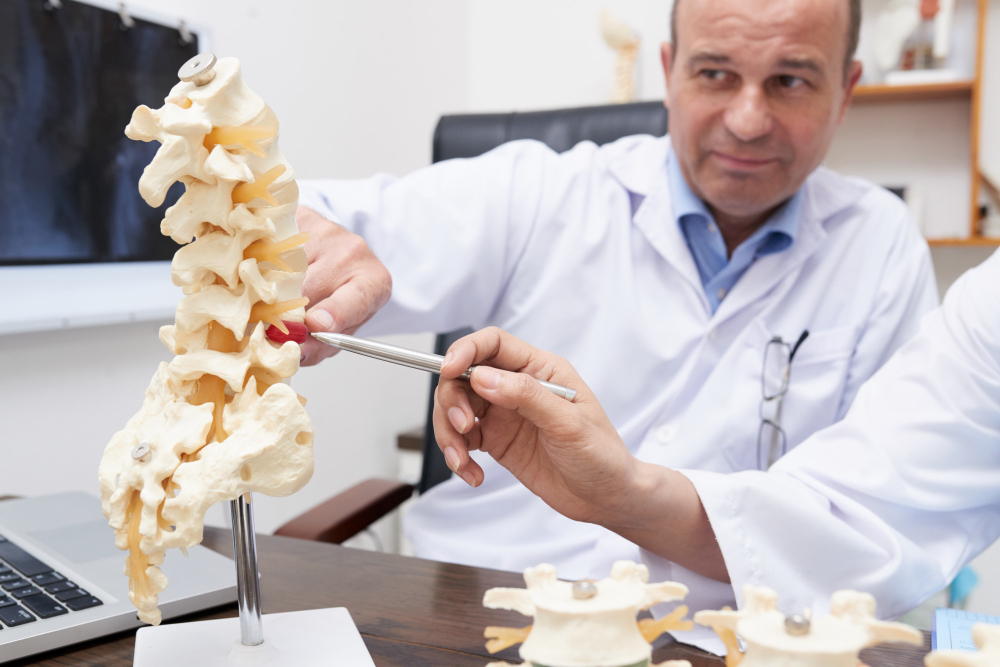
Spine stability means your back stays strong and steady during movement. However, when sarcopenia sets in, the muscles that support your spine get weaker. As a result, your spine may not stay as stable. This can lead to back pain, poor posture, and even falls. For older adults, spine stability is very important. Without strong muscles, the risk of injury goes up. In the United States and worldwide, doctors see more spine problems in people with sarcopenia. Therefore, preventing sarcopenia is key for keeping your spine healthy.
Symptoms and Warning Signs
Early signs of sarcopenia can be easy to miss. Yet, knowing what to look for helps you act quickly. Watch for these symptoms:
Additionally, some people notice back pain or changes in posture. If you see these signs, it is wise to seek orthopedic advice for sarcopenia.
Diagnosis of Sarcopenia
Doctors use several ways to check for sarcopenia. First, they may ask about your health history and daily activities. Next, they might measure your grip strength or how fast you walk. Sometimes, doctors use special scans to look at muscle size. According to the CDC, early diagnosis helps prevent further muscle loss and spine health problems. If you are over 60 or have symptoms, ask your doctor about testing for sarcopenia.
Treatment and Management Options
There are many ways to manage sarcopenia and improve spine stability. Treatment often includes:
For some, doctors may suggest special programs for spine stability in older adults. Early treatment can help you stay active and reduce the risk of falls.
Prevention Tips for Healthy Spine and Muscles
Preventing sarcopenia is possible with a few simple steps. Consider these tips:
Moreover, avoid smoking and limit alcohol. These habits can also protect your muscles and spine.
When to See a Doctor
If you notice muscle weakness, back pain, or trouble walking, do not wait. Early action can make a big difference. See a doctor if you:
In summary, timely orthopedic advice for sarcopenia can help you stay healthy and active.
For personalized advice on sarcopenia and spine stability, consult Priya Ram Clinic. Early care can help protect your muscles and spine for years to come.